2026-11-12 ·
The Cost of Water Damage Restoration in Spring, Texas: What to Expect
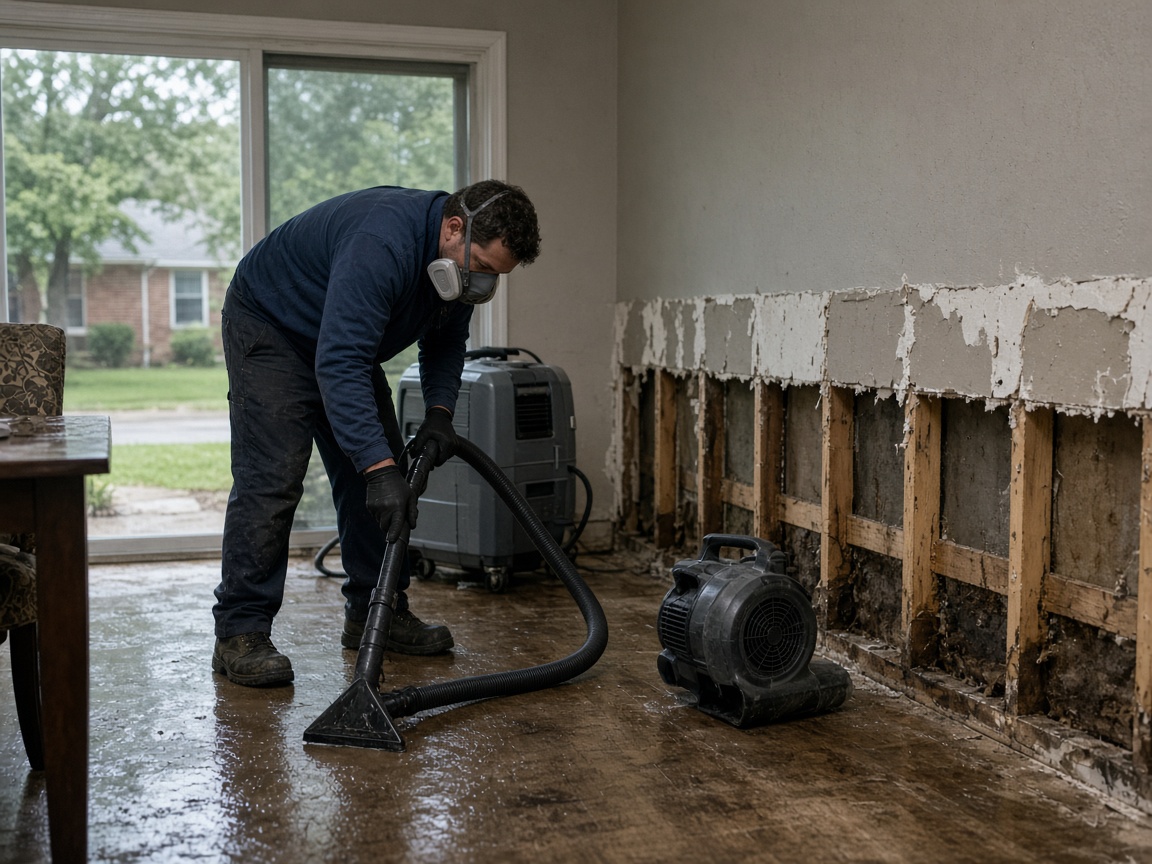
When facing water damage in your Spring home, whether it's a burst pipe in Old Town Spring or a flooded room in Spring Creek Oaks after a heavy rain, one of the first questions that comes to mind is, "What will this cost?" For minor water intrusions affecting a small area, homeowners in Spring might expect to pay between $1,500 and $3,000. This covers basic water extraction, drying, and sanitization. However, for more extensive damage, such as a large-scale flood affecting multiple rooms or involving contaminated water, costs can climb to $5,000 to $15,000 or more, especially if structural repairs or mold remediation become necessary. The humid subtropical climate of Harris County, with its hot, humid summers, means that quick action is crucial to prevent secondary damage like mold, which can add substantially to the overall expense.
Understanding the Cost Factors in Spring, TX
The cost of water damage restoration in Spring, Texas, isn't a fixed price; it's a dynamic figure influenced by several critical factors. The source and category of water are paramount. Clean water (Category 1) from a leaking faucet is less complex and costly to address than gray water (Category 2) from a washing machine overflow, or black water (Category 3) from sewage backup, which poses significant health risks and requires specialized handling and disposal. The age and construction style of homes in areas like Old Town Spring, with their older foundations and materials, can also impact how water permeates and the subsequent drying challenges. Newer homes in developments like Imperial Oaks might have different material considerations, but all are susceptible to the persistent humidity of our region, which can complicate drying efforts and increase the risk of mold if not managed promptly. For more on dealing with specific issues, see our guide on Dealing with Burst Pipes in Spring's Winter: A Local's Checklist.
Extent of Damage and Affected Materials
The scope of the damage is another primary cost driver. A small water stain on a ceiling is a vastly different project than a flood that has soaked carpets, drywall, insulation, and subflooring across an entire level of a home. The type of materials affected also plays a significant role. Drying out hardwood floors, for instance, is often more labor-intensive and costly than drying concrete or tile, and sometimes replacement is the only viable option. Porous materials like drywall and insulation often need to be removed and replaced entirely, especially if exposed to contaminated water or left wet for too long, as they become breeding grounds for mold. The sheer volume of water, whether from a slow leak over time or a sudden inundation, dictates the scale of water extraction and structural drying needed, directly impacting the labor and equipment costs. Our Water Extraction services are crucial for minimizing this damage.
Time is Money: The Urgency of Restoration
In Spring's humid environment, time is truly of the essence when it comes to water damage. The longer water sits, the greater the potential for secondary damage, particularly mold growth. Mold can begin to develop within 24 to 48 hours in favorable conditions, and once established, its remediation adds a separate, often substantial, cost to the restoration project. This is why emergency water removal services are so critical. Rapid response helps mitigate further damage, reducing the overall time and resources needed for restoration. For instance, a quick response to a water heater leak in a garage can prevent water from seeping into adjacent living areas, saving thousands in potential repairs. Delays, whether due to waiting for insurance adjusters or attempting DIY solutions without proper equipment, almost always lead to higher costs in the long run. If you're unsure whether to tackle the problem yourself, our article DIY vs. Professional Water Damage Repair: When to Call for Help in Spring can help.
Equipment, Labor, and Specialized Services
The cost breakdown also includes the equipment and labor required. Professional water damage restoration involves specialized tools such as industrial-grade dehumidifiers, air movers, moisture meters, and thermal imaging cameras. These aren't your average household fans; they're designed for efficient, thorough drying and moisture detection, which is vital in our subtropical climate. Labor costs account for the highly trained technicians who assess the damage, perform water extraction, set up and monitor drying equipment, sanitize affected areas, and conduct necessary demolition and reconstruction. For severe cases, or those involving Category 3 water, additional specialized services like sewage backup cleanup or odor removal might be necessary, each contributing to the total expense. These specialized services ensure not only a dry space but also a safe and sanitary one, which is particularly important in densely populated areas like those bordering Houston and The Woodlands.
Reconstruction and Repair Costs
Often, the restoration process extends beyond drying and sanitization to include reconstruction and repair. This phase involves replacing damaged drywall, flooring, insulation, baseboards, and sometimes even structural elements. The cost of these repairs can vary widely based on the materials chosen and the extent of the damage. For example, replacing a section of water-damaged laminate flooring might cost $3 to $7 per square foot for materials and installation, while hardwood could be $8 to $20 per square foot or more. If cabinetry or custom finishes were affected, these costs would also need to be factored in. While our primary focus is on the initial water damage mitigation, we work closely with trusted local contractors in Spring to ensure a seamless transition to the repair phase, bringing your home back to its pre-damage condition. This comprehensive approach is essential for properties throughout Harris County, from Conroe to the Old Town Spring Historic District.