2026-11-12 ·
Dealing with Burst Pipes in Spring's Winter: A Local's Checklist
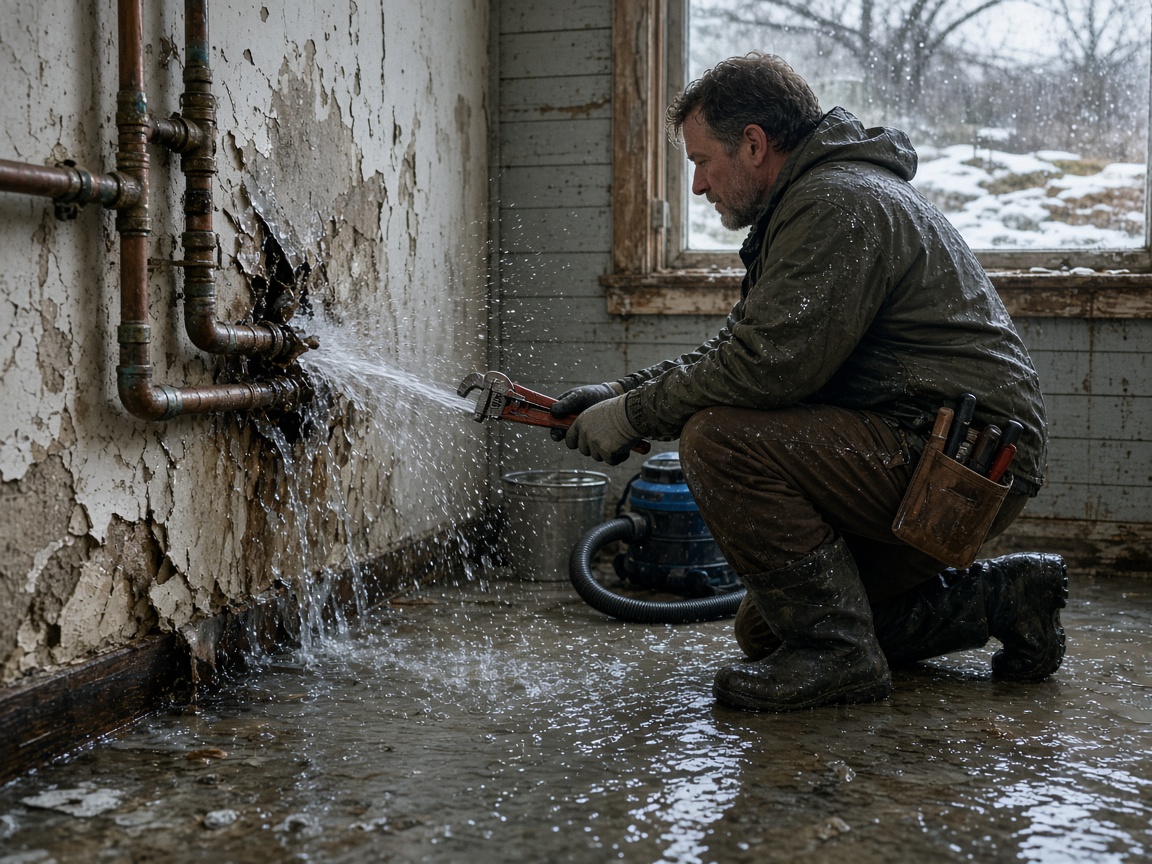
Dealing with burst pipes in Spring's winter can be a sudden and costly headache, but with proper preparation and quick action, you can significantly mitigate the damage. While our humid subtropical climate often brings hot, humid summers, winter can still deliver unexpected freezes, especially when cold fronts sweep through Harris County. The immediate aftermath of a burst pipe can range from minor water leaks causing localized damage to a catastrophic flood impacting multiple rooms, potentially incurring thousands of dollars in repair costs if not addressed promptly. This checklist focuses on proactive measures and immediate responses tailored to our area, from Old Town Spring to Spring Creek Oaks, helping homeowners protect their properties when the mercury dips below freezing.
Understanding the Local Risk: Why Spring's Pipes Burst
Many homes in Spring, including those in older neighborhoods like Old Town Spring and newer developments such as Imperial Oaks, are built with plumbing systems not always designed for sustained hard freezes. While extended sub-freezing temperatures are less common than in northern climates, even a few days of temperatures below 20°F can be enough to freeze water in exposed pipes. Our typical housing stock, often built on slab foundations or with uninsulated crawl spaces, can leave water lines vulnerable, especially those running through exterior walls, attics, or garages. The ground also retains a lot of moisture from our humid climate, and when it freezes, it can put additional stress on underground pipes. Understanding these local conditions is the first step in effective prevention, as it highlights the specific vulnerabilities of homes across Spring, from near the Spring Creek Greenway to closer to The Woodlands and Conroe.
Pre-Winter Pipe Protection Checklist
Taking a few proactive steps before a cold snap hits can save you immense trouble and expense. This preventative checklist is especially important for properties that might have older plumbing or less insulation, common in some parts of Spring. It’s about being ready before the emergency arises.
- Insulate Exposed Pipes: Pay particular attention to pipes in unheated areas like attics, crawl spaces, garages, and along exterior walls. Foam pipe insulation, readily available at local hardware stores, is an inexpensive and effective solution. Don't forget outdoor spigots; consider insulating them or using a spigot cover.
- Seal Air Leaks: Cold air infiltration through cracks and openings in your home's foundation or exterior walls can expose pipes to freezing temperatures. Use caulk or weatherstripping to seal these gaps, especially around utility penetrations where pipes enter your home.
- Disconnect Hoses: Remove all garden hoses from outdoor spigots. Leaving them connected can trap water in the pipe, which will freeze and expand, potentially damaging both the spigot and the interior piping.
- Know Your Main Water Shut-Off: Locate your home's main water shut-off valve. This is crucial for quickly stopping water flow if a pipe bursts, minimizing damage. Ensure everyone in the household knows its location and how to operate it. It's often near the street or where the main water line enters your home.
- Consider Sprinkler System Winterization: If you have an irrigation system, follow proper winterization procedures, which usually involve draining the lines to prevent freezing.
During a Freeze: Keeping Water Flowing (and Not Freezing)
When a cold front is actively passing through Harris County, a few simple actions can help prevent pipes from freezing, especially in vulnerable areas like Imperial Oaks or homes near Spring Creek. These steps are particularly important when temperatures are expected to remain below freezing for more than 24 hours.
- Drip Faucets: Allow a slow, steady drip of cold water from faucets, especially those on exterior walls or in unheated areas. Moving water is much less likely to freeze than stagnant water. Even a pencil-thin stream can make a difference.
- Open Cabinet Doors: For sinks located on exterior walls, open the cabinet doors underneath to allow warmer indoor air to circulate around the pipes. This is a simple but effective trick for kitchens and bathrooms.
- Maintain Indoor Temperature: Keep your thermostat set to at least 55°F, even if you leave your home for an extended period. A consistent indoor temperature helps keep interior pipes from freezing.
- Monitor Outdoor Temperatures: Stay informed about local weather forecasts. The more prepared you are for a severe cold snap, the better you can protect your home.
If a Pipe Bursts: Immediate Action Plan
Despite your best efforts, sometimes a pipe will still burst. Knowing what to do in the first few minutes can dramatically reduce the extent of water damage. This is where quick thinking can save you thousands in repairs and prevent long-term issues like mold growth.
- Shut Off the Main Water Supply: This is the absolute first step. Every second counts when water is gushing. Locate and turn off your main water shut-off valve immediately. This will stop the flow and prevent further flooding.
- Turn Off Electricity (if necessary): If water is near electrical outlets, appliances, or your breaker box, do not risk electrocution. Turn off the power to the affected area or your entire home at the main breaker. Safety is paramount.
- Assess the Damage and Document: Once the water is stopped, begin to assess the extent of the damage. Take photos and videos of the affected areas, including the source of the leak and any damaged belongings. This documentation will be crucial for any insurance claims.
- Start Water Removal: Begin removing standing water using buckets, mops, or wet/dry vacuums. The quicker you remove the water, the less time it has to soak into building materials and furnishings. For significant flooding, professional help is often needed for effective water extraction.
- Call for Professional Help: For any substantial water damage, especially if it involves structural elements, insulation, or multiple rooms, it's critical to call a professional water damage restoration service. They have the specialized equipment and expertise to thoroughly dry